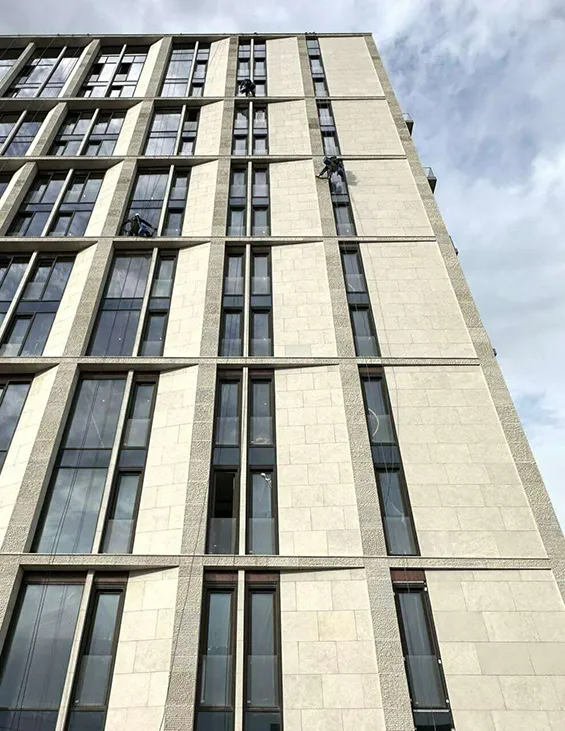
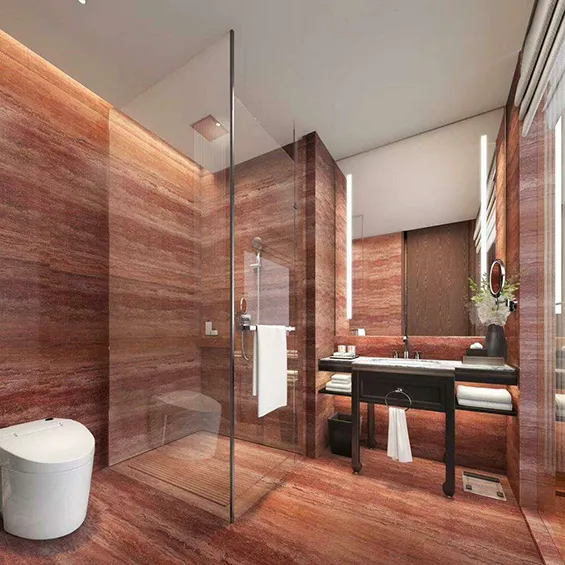
Premium Stone Products

From Our Own Quarries and Factories — A Wide Portfolio of Natural Stones
Crafted for Global Architecture 
 

View Gallery

Karimi Stone

Production Excellence with
Worldwide Reach

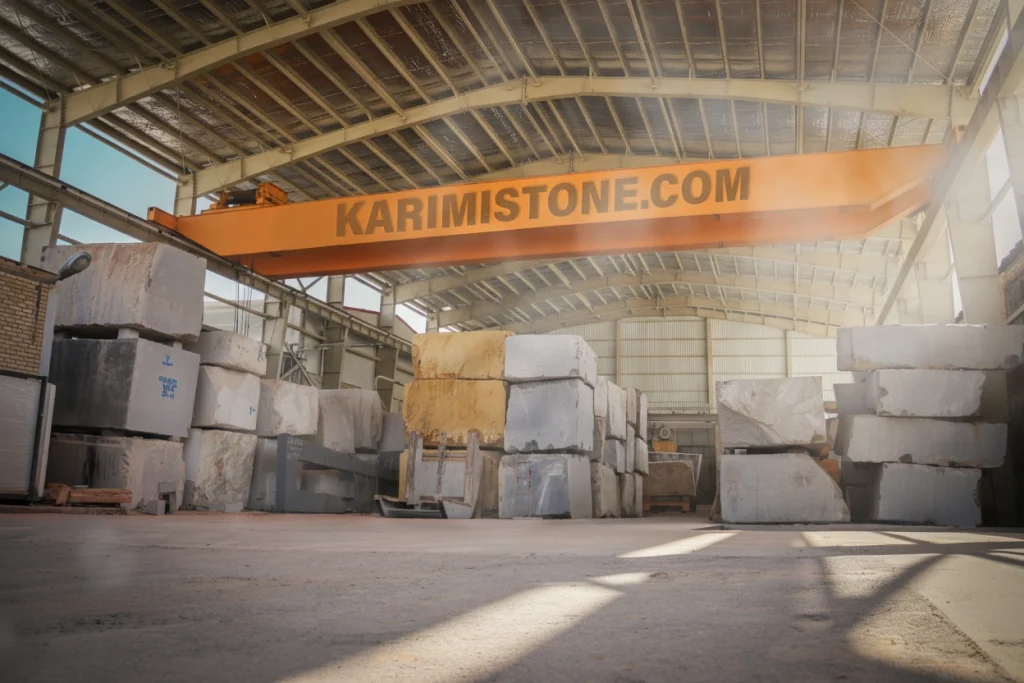
Karimi Stone operates two modern processing facilities covering 50,000 m² and 12,000 m² of covered space, as well as two active quarries. Equipped with advanced Italian machinery, our factories produce a complete range of stone products-including slabs, tiles, pavers, mosaics, bathtubs, washbasins, and more-in a variety of professional finishes.
This production capacity, along with flexible payment options, competitive pricing, and fast delivery, has positioned Karimi Stone among the leading stone-processing companies in Iran and one of the country’s largest exporters of natural stone. Complementary services such as global shipping, third-party inspections, and export documentation further strengthen our reliability and competitiveness in international markets.


Read More…

Competitive price
Quality Control
Logistic Services
Fast delivery

Crafted by Heritage, Refined by Technology

Karimi Stone began its journey with Derakhshan Factory, and has evolved, over three generations, into a world-class source of natural stone — blending heritage craftsmanship with modern technology and global reach. With more than fifty years of experience, we are one of the most trusted names in Iran’s stone industry and a dependable partner for long-term architectural success.
Today, our two modern factories produce a wide range of premium stones, tailored to project-specific dimensions, finishes, and technical requirements. Customized manufacturing is supported by a dedicated QC team that monitors each stage with precision — ensuring consistent quality, accurate tolerances, and dependable performance on every order.
Our work has been recognized at leading international exhibitions, including Marmomac in Italy, The Big 5 in Dubai, and major events in Russia, where we continue to build relationships with architects, developers, and distributors around the world.
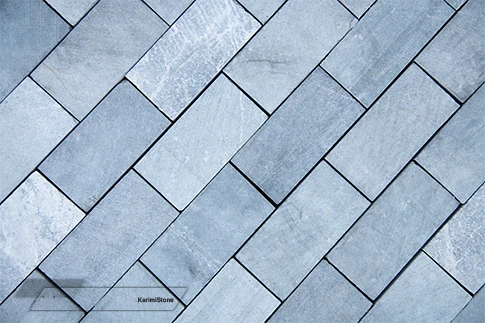
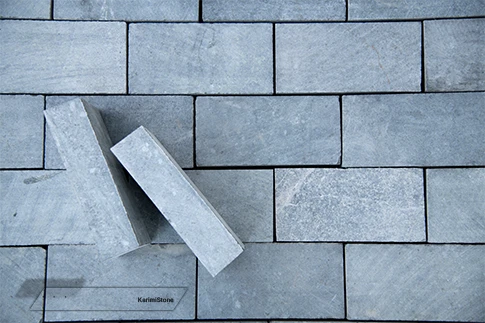
We offer a complete collection of travertine, marble, limestone, granite, and onyx — in polished, honed, brushed, bush-hammered, sandblasted, tumbled, and other professional finishes — produced in slabs, tiles, steps, pavers, pattern sets, CNC-crafted elements, and mosaics. Each lot is fully traceable, photographed, and inspected at source; block integrity, vein orientation, and thickness are verified before packing.
Packaging is engineered for long-distance logistics, using steel-banded bundles, fumigated crates, reinforced edge protection, and container lashing to secure every shipment in transit.
Our production approach integrates environmental responsibility through water recycling, waste valorization into aggregates, and optimized logistics — reducing footprint while maintaining the craftsmanship, stability, and reliability our partners depend on.

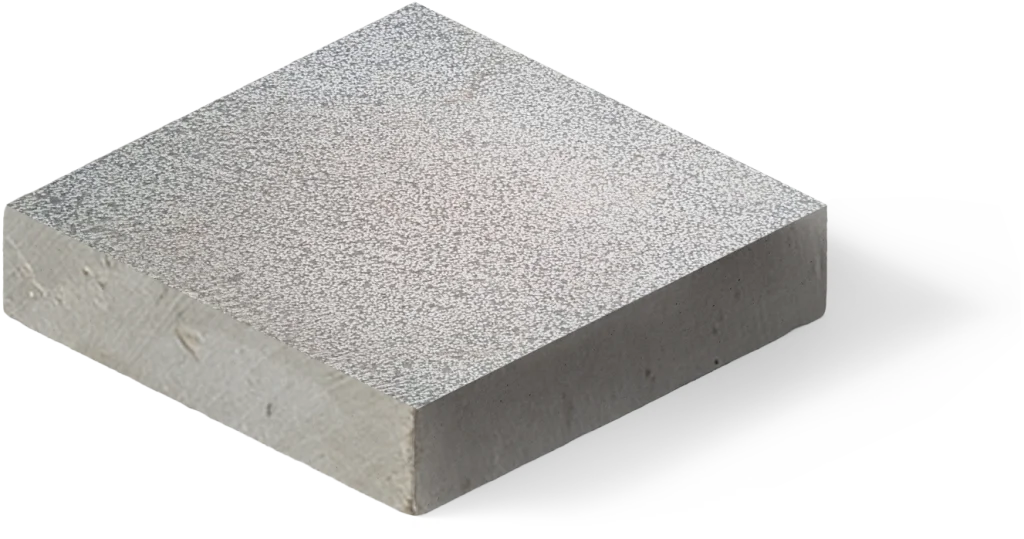
Sandblasting is a surface treatment mainly used to create non-slip textures and prevent slipping. For a high-quality sandblasted finish, it is preferable to first process the stone to a honed or semi-honed level before sandblasting. This ensures the final surface is clean and even.

Sandblasting can be done manually or by machine; however, the machine process provides a much more uniform and consistent result. The operation is performed using silica grains or iron filings projected onto the surface under high pressure.

The flamed finish is a type of surface treatment where the smooth stone surface is exposed to intense flame. The rapid heating and cooling cause the surface minerals to burst and flake, resulting in a rough, textured surface.

This process is typically applied to strong and dense stones such as granites or hard marbles. Flamed stones are mainly used for outdoor applications, as the rough surface provides excellent slip resistance and a natural, rugged appearance.

The Hand-hammered finish is a unique traditional stone treatment that is mainly practiced in Iran and performed entirely by hand. This technique is not common in other countries, where special machines are used instead to create a similar texture, known internationally as the Bush-Hammered finish.
In the Hand-hammered process, craftsmen use special hammers with different types of heads to produce fine, coarse, or regular patterns on the stone surface. Because it is done manually, this finish gives the stone a distinctive, artistic, and natural appearance — making it one of the signature features of Iran’s stone mastery.

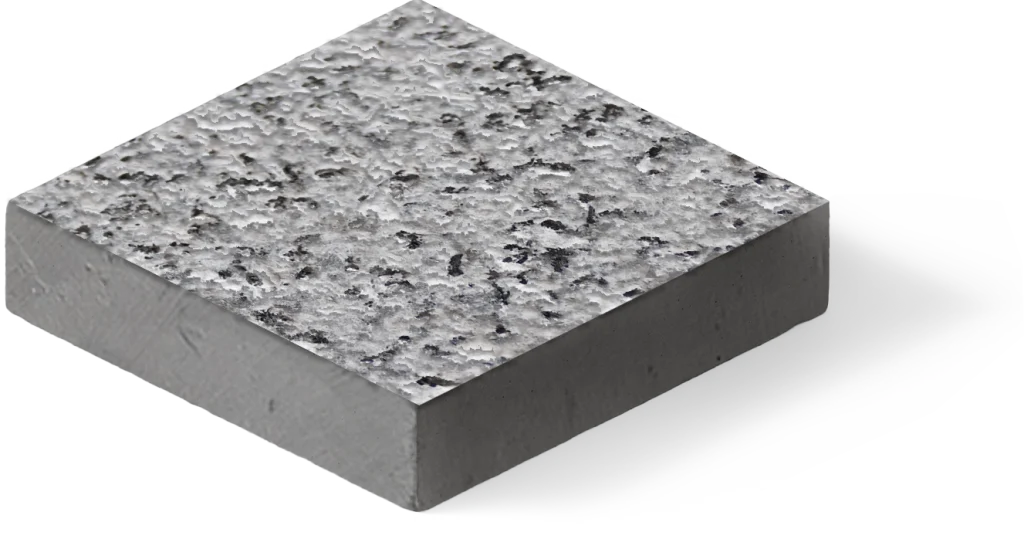
Bush-hammering is another type of surface treatment. In this process, the surface becomes rougher than sandblasted stone. The texture is achieved using special bush-hammer heads that chip the stone’s surface, creating an uneven, anti-slip texture.
This type of finish is ideal for outdoor spaces such as yards, pavements, or snowy and rainy areas where slip resistance is required.

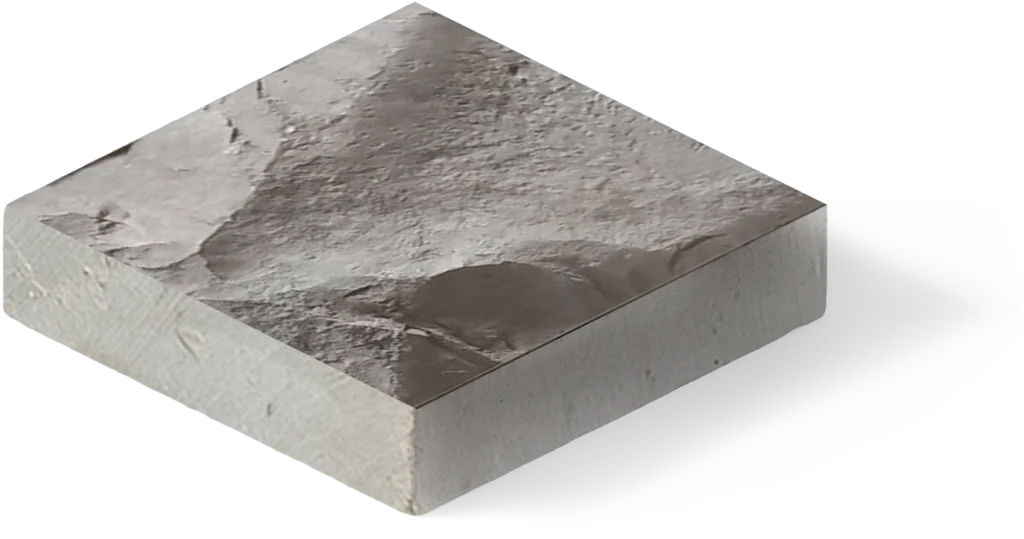
The term split means “separated.” In the split-face process, a stone block is divided into two halves through mechanical pressure applied by blades from above and below. The stone breaks naturally along its internal lines, creating a rough, uneven surface.

This finish is also known as chiseled or, in older terminology, hand-split. It gives the stone a natural, rustic appearance and is commonly used for exterior applications such as garden walls, villas, and decorative outdoor facades.

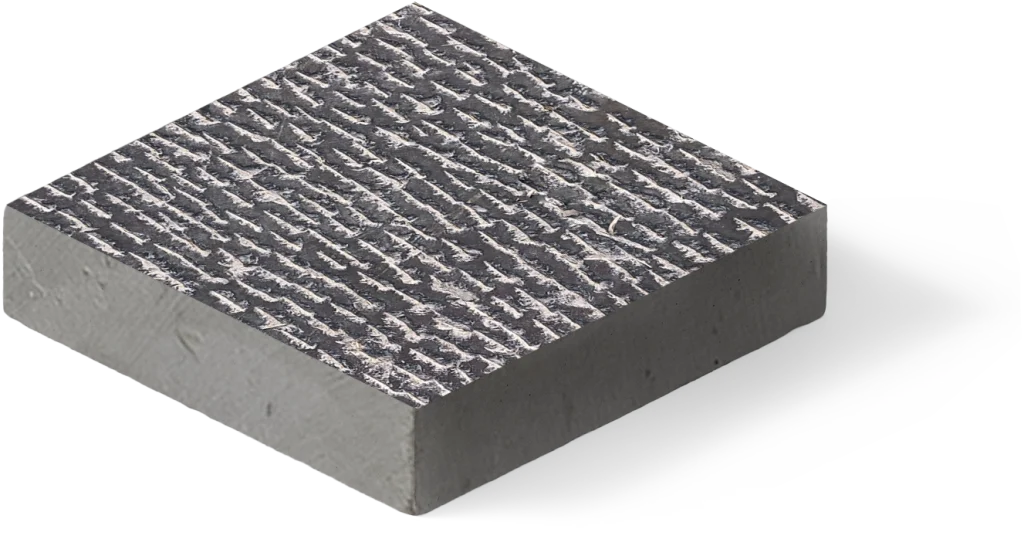
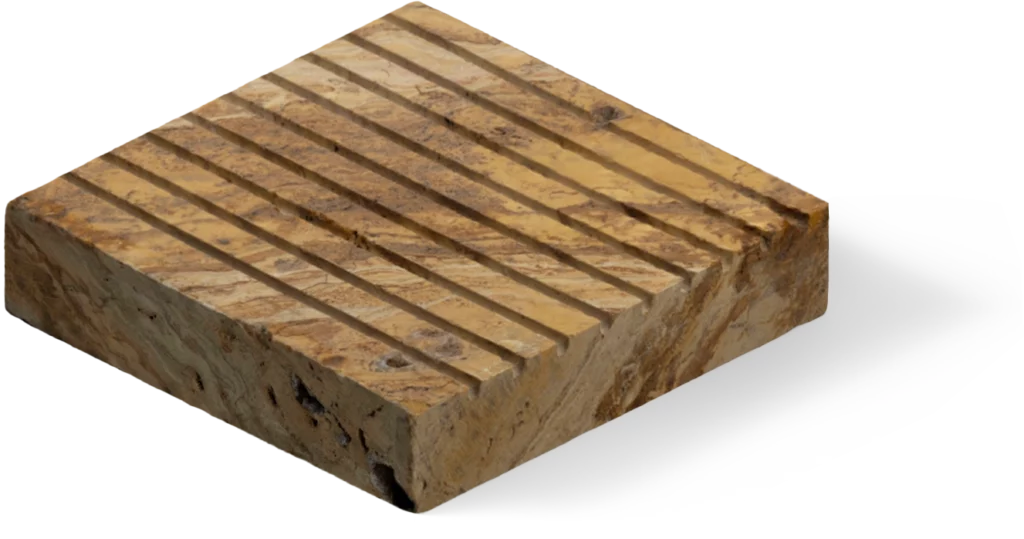
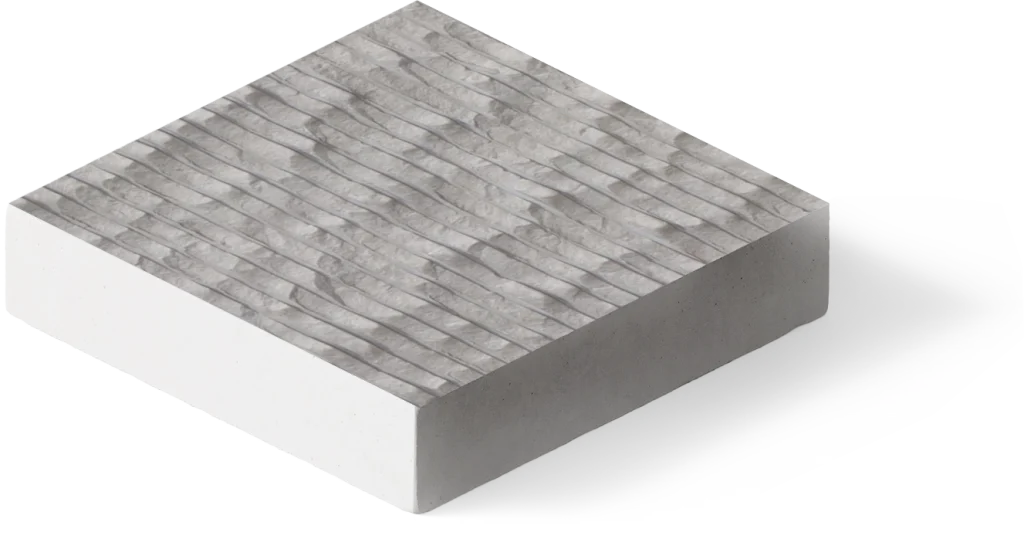
A grooved finish is an additional or secondary surface treatment that can be applied to any type of stone and finish.
In this process, cutting blades create parallel grooves on the stone surface at desired spacing, width, and depth.
This type of finish is mainly used for decorative or design purposes, adding both beauty and functionality to the stone surface.

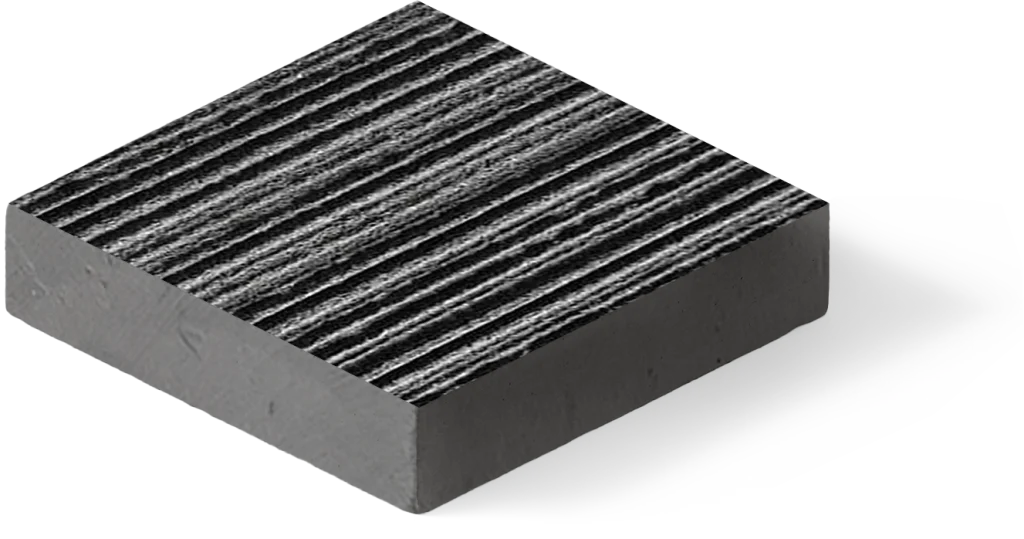
In the scratch finish, parallel and uniform lines are engraved on the surface of the stone, giving it a modern, textured appearance that also increases surface friction.

If light or dark stones are scratched finely, they appear matte, while gray stones become slightly lighter in tone. The wider and more spaced the lines, the less color change occurs in the stone.

Technically, the scratch finish is suitable for interior and exterior wall cladding applications.

In the cut-broken process, the stone is first grooved and then the grooved edges are broken manually or mechanically.
The resulting irregular, natural edges give the stone a decorative and rustic appearance, making it ideal for façade and design work.

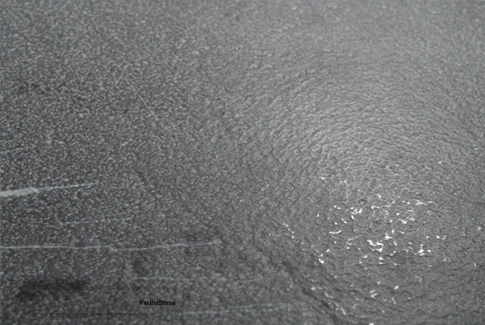
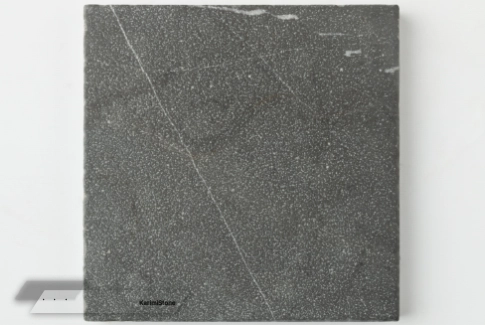
The term leathered in stone finishing refers to a slightly uneven yet soft texture, resembling the surface of natural leather.
To create a leathered finish in the factory, instead of using hard polishing abrasives, wire brushes are used. These brushes penetrate into the weaker areas or tiny pores of the stone surface, gently deepening them while simultaneously polishing the veins and edges. The result is a surface that feels textured and irregular, yet has a natural softness.

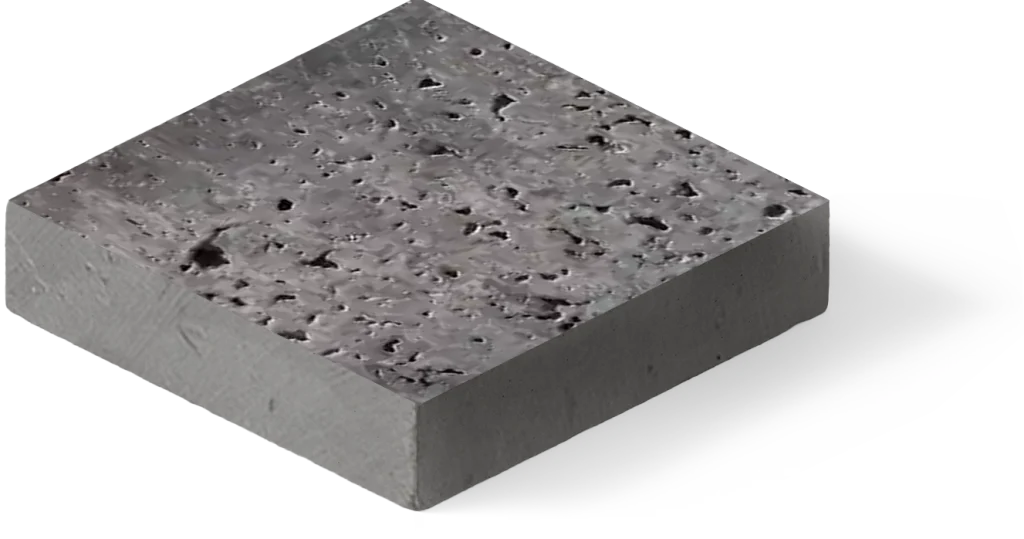
The acid-wash finish is a secondary surface treatment in which acid is poured onto the stone surface, creating a special rough and etched texture.
Essentially, a honed stone can be acid-washed to add a slightly coarse, natural feel. The acid reacts differently with various minerals in the stone, causing uneven etching across the surface.
After acid washing, the surface becomes both rougher and slightly irregular.
This type of finish is ideal for outdoor applications, providing better slip resistance.

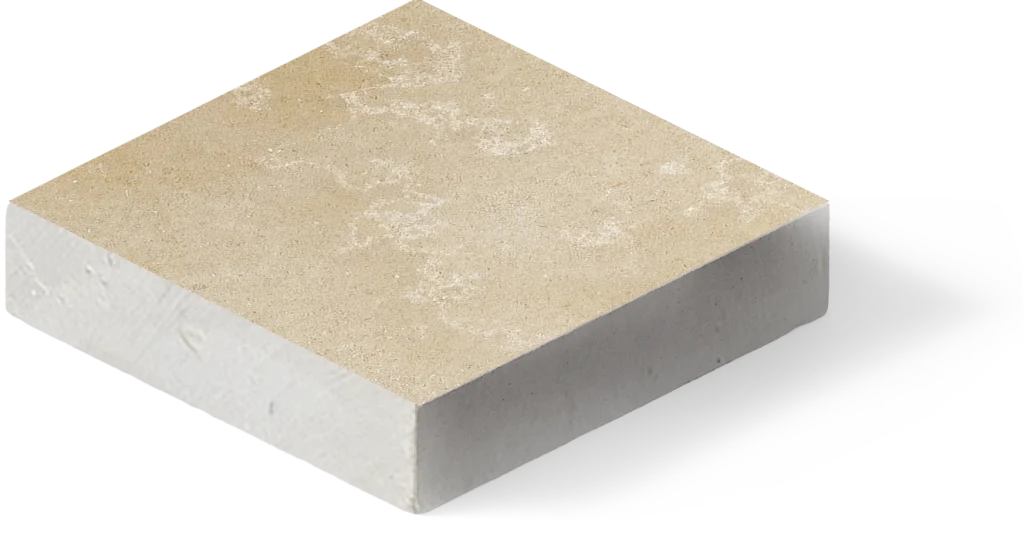
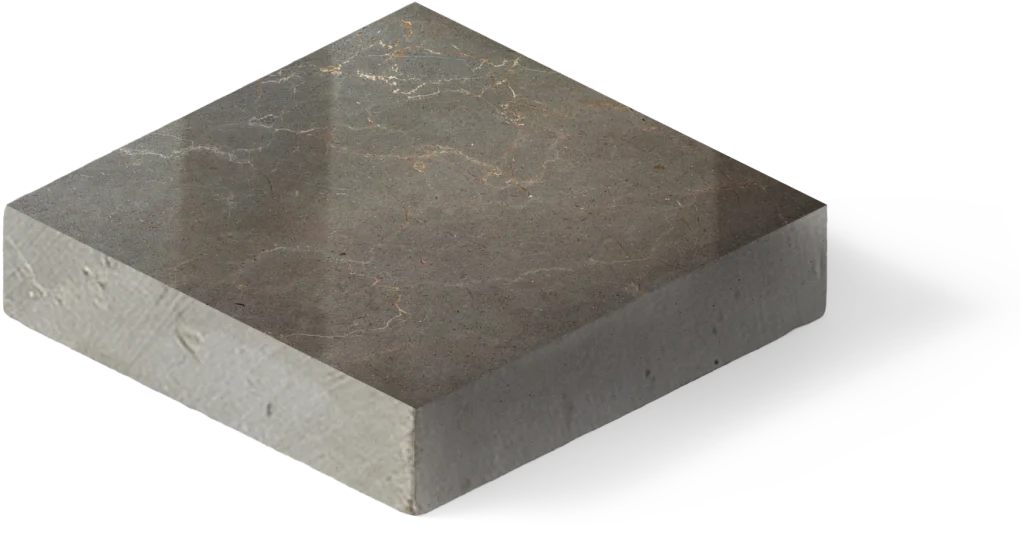
The honed surface is a type of finish in which the stone’s surface is completely smoothened by the polishing machine but shows no light reflection or gloss. In this process, the same initial polishing heads used for polished stones are applied, but the final heads responsible for gloss are replaced with special honing abrasives. As a result, the stone surface becomes smooth yet non-reflective. Essentially, the only difference between a honed and polished surface is the absence of shine.

In the polished finish, after the stone is calibrated, it enters the polishing machine, where each surface is polished using a minimum of 8 and up to 14 polishing heads.
The first heads of the polishing machine remove the initial scratches caused by calibration and level the surface of the stone. The following heads perform pre-polishing and full polishing, while the last heads are responsible for acid treatment and final gloss enhancement.
The greater the number of heads in the polishing machine, the faster the process and the higher the quality of the polished surface.
Polished stones are typically used in various parts of a building, such as floors, lobby walls, and other interior areas.

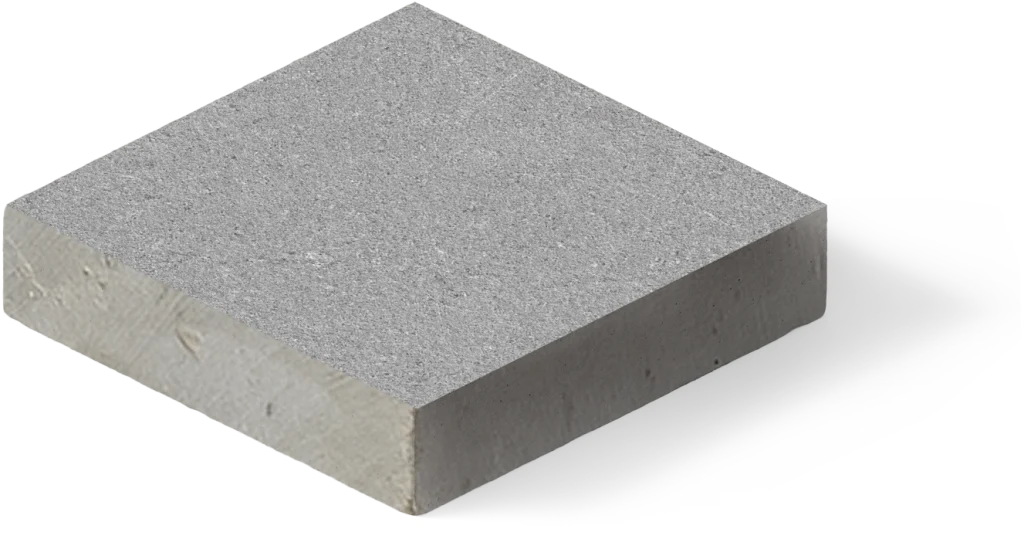
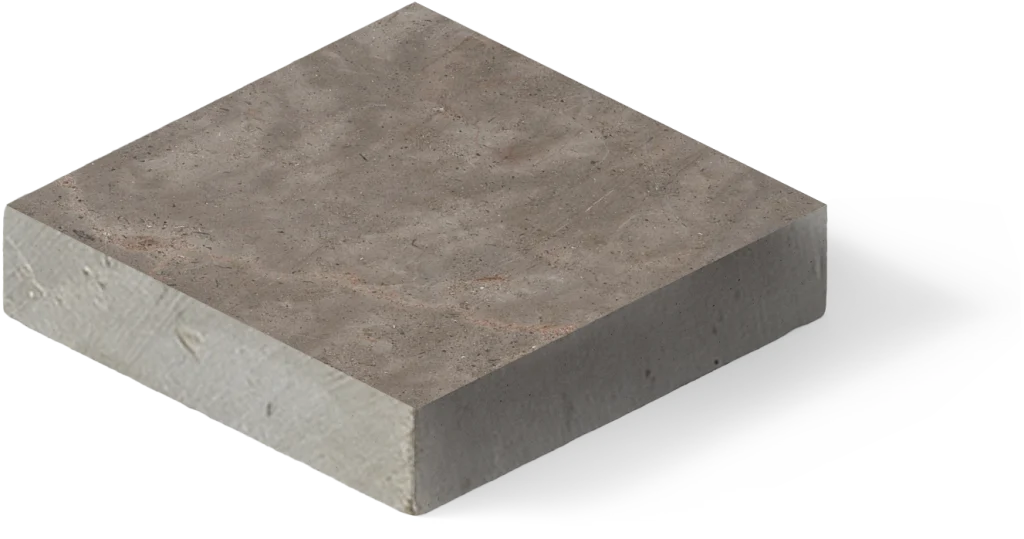
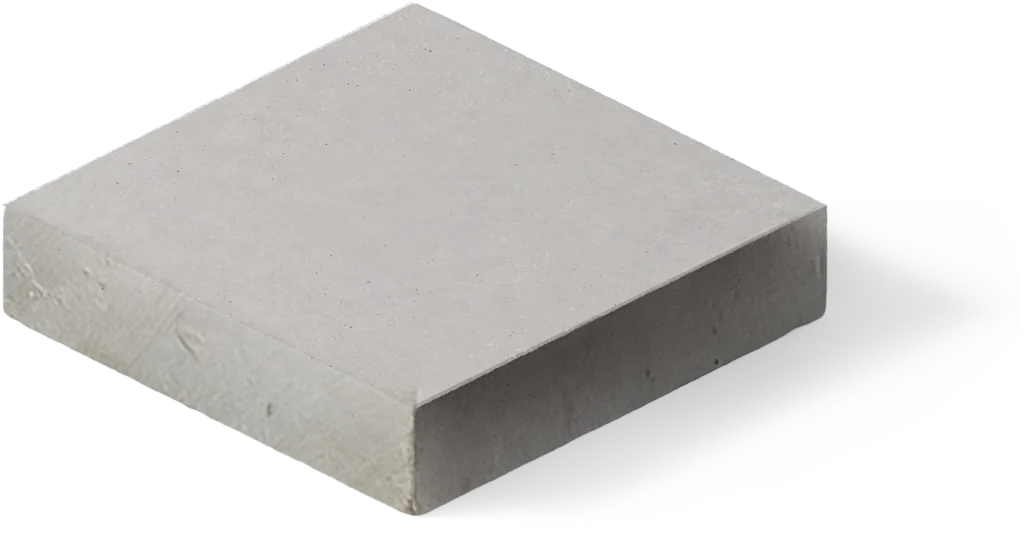
As the name suggests, raw stone has no surface treatment. The stone is simply cut and left with its natural saw marks.
However, for better usability, it is recommended to calibrate and optionally lightly smooth the surface with one polishing head.

Linkedin

How to choose high-quality stone for export?
Sep 17, 2025
What are the export costs from quarry to port?
Sep 24, 2025
How does good packaging affect customer perception?
Oct 1, 2025